Pergola, Pavilion, or Patio Cover: Which One Provides the Best Shade?

Choosing the right structure for outdoor shade—whether it's a pergola, pavilion, or patio cover—is a big decision for any homeowner looking to stay cool and comfortable in the Central Texas sun. All three options create inviting outdoor spaces, but the amount of actual shade they offer varies a lot. To help you make the best choice for your property and lifestyle, this guide breaks down the differences in simple terms, clearly explaining which structure provides the most reliable shade, what to expect from each, and how each fits different needs and local requirements. If you want expert planning or installation, Residential Specialties is your local authority for quality outdoor projects, ready to support you from consultation to construction.

Quick Answers: Which Structure Gives the Most Shade?
If the main goal is to block the most sun, a solid-roof patio cover or pavilion will give the best shade. A pergola, unless it’s upgraded with a solid or louvered (adjustable) roof, gives filtered or partial shade. Here’s the clear ranking:
- Solid patio cover: Best for full shade, especially when connected to the home
- Pavilion: Best for full shade if you want a freestanding structure away from the house
- Pergola: Best for airy, partial shade with open or slatted roof
Rain and sun protection go hand-in-hand—solid-roof structures block both, while open pergolas do not stop rain or harsh sun completely. In the Central Texas climate, many people choose solid roofs for dependable coverage.
Definitions: Pergola, Pavilion, and Patio Cover
Pergola
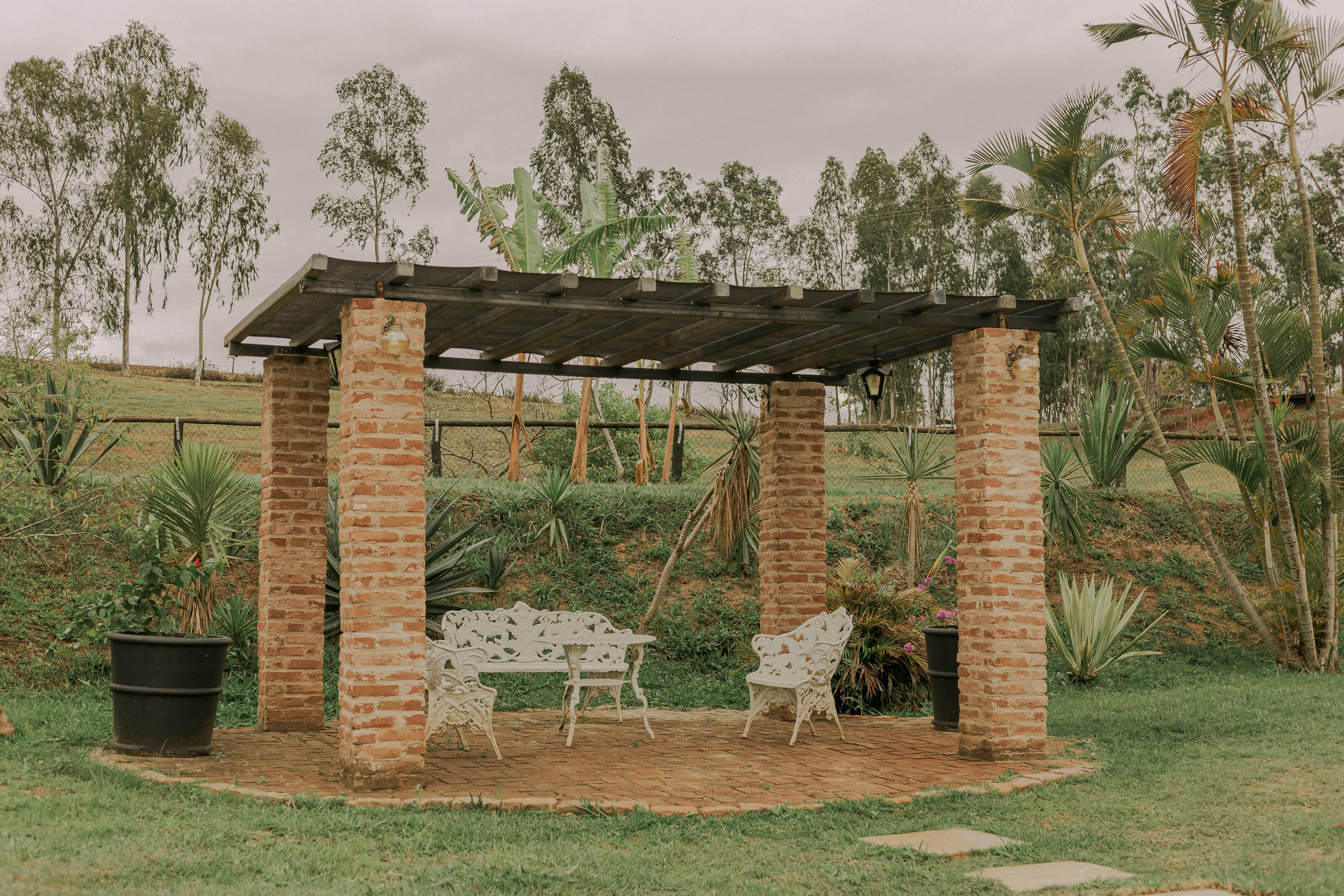
A pergola is an outdoor structure supported by posts with crossbeams and an open roof made of slats or rafters. This design lets natural light and air through, which softens the sun but does not give full shade or rain shelter.
Pavilion
A pavilion is a freestanding, roofed structure with open sides. Its solid roof keeps the area below completely shaded and protected from ordinary rain, making it a great backyard destination for dining or relaxing.
Patio Cover
A patio cover is a solid roof (usually attached directly to the home) designed to cover a patio, deck, or porch. It blocks sun and rain, making patio areas usable throughout the day and year.
Pergola, Pavilion, and Patio Cover: Side-by-Side Comparison
| Feature | Pergola | Pavilion | Patio Cover |
|---|---|---|---|
| Typical Shade Amount | Partial (filtered, about 40-70% using dense slats) | Full (nearly 100% under solid roof) | Full (nearly 100% under solid roof) |
| Rain Protection | Minimal—open to rain unless add-on panels or fabric are used | Strong—roof covers seating/play areas | Strong—roof blocks sun and keeps patio dry |
| Best For | Decorative shade, garden or open-air seating | Outdoor kitchens, poolside, large gathering spots | Everyday use right outside the home |
| Airflow | Excellent | Good (open sides) | Good (open on sides) |
| Custom Upgrades | Add canopies, louvers, curtains, or climbing plants | Add fans, lighting, curtains/screens | Add lighting, fans, gutters |
Step-by-Step: How to Choose the Right Shade Structure
1. Decide How Much Shade You Want
If you want full shade all day, choose a solid patio cover or pavilion. For some sun and light airflow, an open pergola could be enough—especially when paired with shade cloth or vines.
2. Think About Rain Protection
Outdoor dining, electronics, or cushioned furniture need rain protection. Pergolas do not provide this unless you add a roof or special fabric. Pavilions and patio covers offer strong coverage during rain.
3. Look at Space and Location
- If your shady area should blend with the house, a patio cover is likely best
- If you want a special spot in the yard (like near a pool or garden), a pavilion is ideal
- If you want to simply mark a spot for relaxing (without heavy rain/sun protection), go with a pergola
4. Measure and Plan for Furniture
Check that the size will fit your chairs, dining set, grill, or lounge area—with space to walk around.
5. Plan for Comfort Features
Consider lighting, ceiling fans, or power outlets in your build. It is easier to add these during installation.
6. Match to Your Home’s Design
Let the shade structure style, paint, and material blend in with your house for best curb appeal.
7. Check Local Permit Requirements
Outdoor structures often need local permits, especially in Liberty Hill and Williamson County. Both attached and freestanding covers usually require permits and code compliance. It’s important to follow all rules for setbacks, height, drainage, and HOA guidelines if you have them. For more detailed local code resources, see:
- Liberty Hill permits and inspections
- Liberty Hill design and site standards
- Williamson County building permits
8. Get a Clear Estimate
Ask for a detailed quote before starting. Companies like Residential Specialties offer free consultations and clear breakdowns for your peace of mind.
Best Practices: Shade Structures in Central Texas
- Plan for the sun direction: The harshest sun is from the west/southwest, especially in the afternoon. Design covers or screens to block this angle.
- Airflow: Even with strong roofs, keep sides open and add fans to stay cool in hot weather.
- Choose durable materials: Cedar, pressure-treated lumber, and quality metal all work well. UV protection helps your structure last longer.
- Pitch and drainage: Solid roofs need a slope for water runoff and properly installed flashing/gutters.
- Maintenance: Wood structures last longer with regular sealing. Metal and vinyl offer lower maintenance but may cost more up front.
- Check code and HOA rules: Building codes and setback rules matter. Many areas require permits and code-compliant construction even for simple covers.
When Is a Pergola Enough?
Open pergolas are popular for beauty, airflow, and a light touch of shade—usually blocking 40-70% of sun, more if slats are closer together or topped with vines or fabric. If you just want to sit outside at certain times or enjoy filtered light, this can be a great solution. However, keep in mind:
- They do not offer dependable rain shelter
- Shade moves with sun position; it’s not uniform all day
- For more protection, ask about adding a retractable canopy or solid panels
When Is a Solid Patio Cover or Pavilion Best?
If you want to use your outdoor space all day in all weather, or want to protect expensive patio furniture, a solid-roof structure is recommended. This is especially true in Central Texas with high heat, intense UV, and frequent afternoon storms.
- Solid patio covers blend with the home and are easy for daily use
- Pavilions create a more open, social spot farther from the house
- Both can be outfitted with fans, lighting, and electrical as needed

Key Considerations: Climate and Practical Issues
- Texas sun is very strong: Partial shade feels several degrees cooler, but a solid roof can reduce the temperature even more (sometimes by 12-18°F or more beneath the cover compared to open sun).
- Protecting furniture and finishes: Rain and UV can wear down outdoor furniture quickly. A solid roof keeps your investment safe.
- Storms and wind: All structures should be properly anchored and compliant with current codes to withstand local weather (including strong wind and hail requirements, as rules change every few years).
Table: Best Choice by Homeowner Situation
| Need/Goal | Recommended Structure | Reason |
|---|---|---|
| Maximum shade with rain protection | Patio cover or pavilion | Solid roof blocks nearly all sun and rain |
| Airflow and open feeling | Pergola | Open roof allows breezes and sky views |
| Freestanding spot, not attached to home | Pavilion | Freestanding, open sides, solid roof |
| Everyday use right out the back door | Patio cover | Attached for seamless transition from inside |
Frequently Asked Questions
Is a pavilion better than a pergola for shade?
Yes. Pavilions have a solid roof, giving consistent shade all day, while pergolas offer partial shade with slatted tops.
Does a patio cover keep rain off the patio?
A solid patio cover does a great job blocking rain, especially with proper gutters and drainage. Open pergolas do not stop rain.
Can a pergola be attached to a house?
Yes, pergolas can be attached or freestanding. Attachment and waterproofing need expert planning for safety and durability.
How big should an outdoor shade structure be?
Small seating areas may be 8’ x 10’; outdoor dining spaces are often 12’ x 16’ or more. Measure your furniture first to ensure a good fit.
Does Residential Specialties build all these types of structures?
Residential Specialties offers custom patio covers, pavilions, pergolas, awnings, decks, and exterior remodeling across Central Texas. Call or text (512) 788-7936 for details or a free quote.
What permits or building codes apply in Liberty Hill and Williamson County?
Most outdoor structures require permits in Liberty Hill. Always confirm setbacks, lot coverage, and HOA reviews. Different rules can apply in unincorporated Williamson County. See local city and county websites for details, or let your contractor handle the permitting process.
Summary: Making the Right Choice
The best shade comes from solid patio covers and pavilions, offering complete protection from the Texas sun and rain. Pergolas bring airy, decorative appeal and light shade but do not protect as completely. Your decision should factor in location, use, comfort, and code compliance. Consulting a local expert like Residential Specialties ensures your new outdoor space fits both your lifestyle and all required regulations.
For more ideas about decks, patios, and shade solutions, you can also read our related guides like Aluminum Patio Covers vs Wood Patio Roofs in Central Texas and What Does Pergola Installation Cost in Liberty Hill.
If you’re ready to add or improve a shaded outdoor living area in Liberty Hill or surrounding areas, contact us at Residential Specialties for a free consultation and see why so many homeowners trust our experience and workmanship for their most important home upgrades.