Composite vs Cedar Decking for the Central Texas Climate

Choosing between composite and cedar decking in Central Texas comes down to three main things: heat, sun, and how much work you want to put into your deck. Both materials have their strengths and weaknesses. Here at Residential Specialties, we've built and repaired decks for years across Liberty Hill and the surrounding area, so we know how each material holds up in this climate.
In short, composite decking is usually the better low-maintenance option for hot, sunny yards, while cedar provides a cooler surface and a classic wood look but needs more regular upkeep. The right choice depends on your yard's conditions and how much time you want to spend on maintenance.
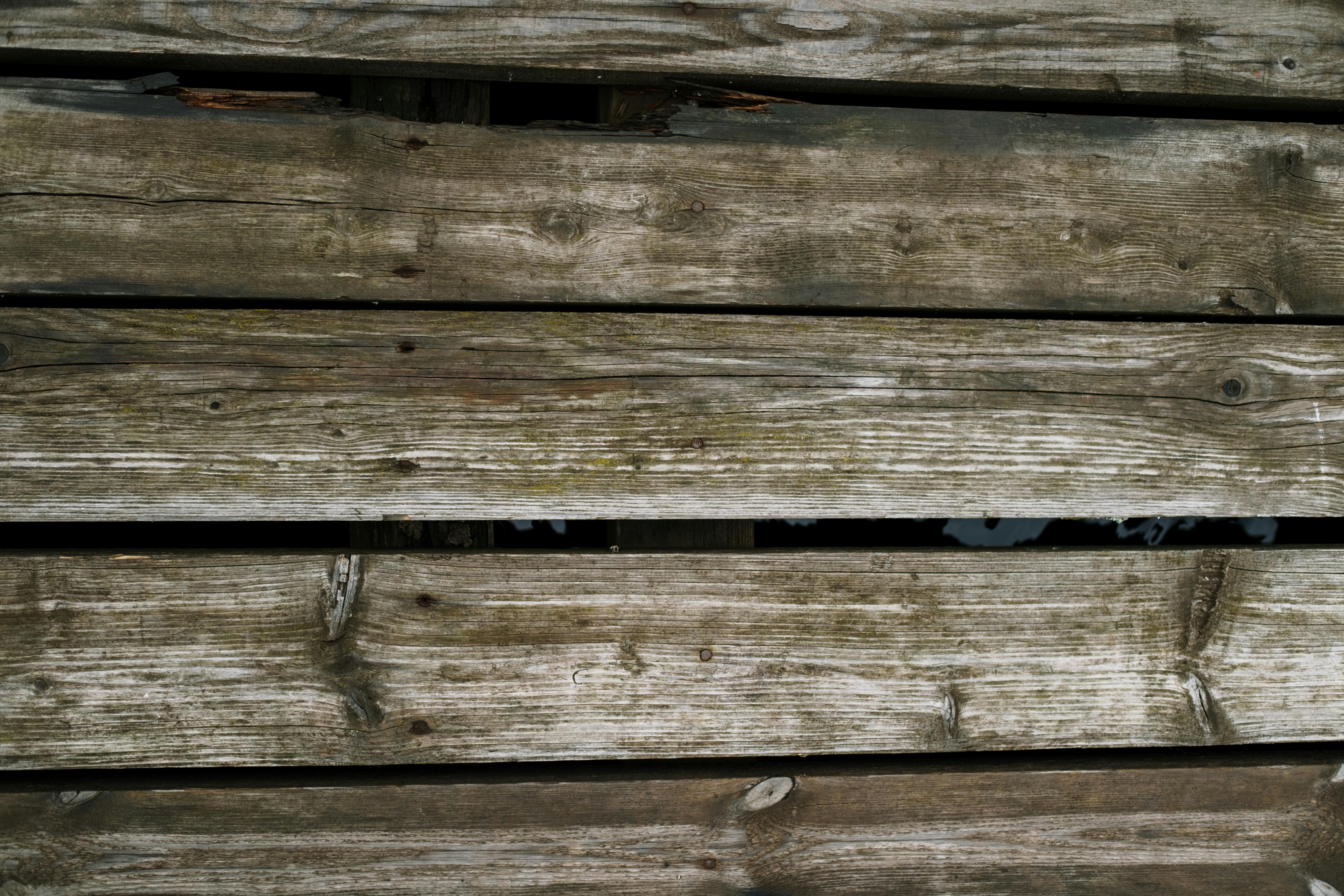
Definition: Composite vs Cedar Decking
- Composite decking is made from a blend of wood fibers and plastic, often with a protective cap. It looks somewhat like wood but performs differently.
- Cedar decking uses real cedar boards, usually western red cedar, which is naturally resistant to rot and insects.
How Central Texas Climate Affects Decks
Central Texas summers bring heat (often over 95°F), lots of sun, and pretty high humidity. We get nearly 230 sunny days per year and about 23 inches of rain spaced through the year. These conditions cause:
- Wood to crack, fade, and split unless it's protected
- Deck boards to heat up fast in full sun
- Extra risk of mold, mildew, and even termites in damp spots
Composite Decking: Pros and Cons
Composite is popular for homeowners who want the simplest maintenance. Here’s what you should know:
Benefits of Composite Decking
- Low maintenance: Doesn’t require staining or sealing. Cleaning with mild soap and water is usually enough.
- Resists rot, mold, and insects: No cellulose for termites or wood rot, making it dependable for years.
- Longer life: Many composite decks last 25 to 30 years under Central Texas conditions, especially if you select a higher-end, "capped" board.
- Less fading and cracking: The protective cap helps prevent sun and weather damage.
Drawbacks of Composite Decking
- Gets hotter: In full sun, composite boards, especially darker colors, can become very hot. You may find the surface uncomfortable on bare feet during summer afternoons.
- Higher upfront cost: More expensive than standard cedar at installation. For many, the time saved on maintenance is worth the initial investment.
- Appearance: While better than older products, composite still lacks the full character and warmth of real wood.

Cedar Decking: Pros and Cons
Cedar is the classic choice with natural beauty and a comfortable surface. Here’s what to know:
Benefits of Cedar Decking
- Natural appearance: Has rich color and natural grain that many people love.
- Stays cooler underfoot: Even on hot days, cedar is easier on bare feet than dark composite.
- Natural resistance: Contains oils that protect it from rot and many insects, including termites, as long as the wood is maintained.
Drawbacks of Cedar Decking
- Needs regular maintenance: Cedar should be cleaned and sealed every 1 to 2 years, especially in high sun and rain areas, to avoid splintering or turning gray.
- Shorter practical life: Most cedar decks last about 15 to 20 years here if you keep up the maintenance. Decks in full sun may need extra care to avoid surface cracks or fading.
- Color change: If left untreated, cedar turns silver-gray within a year or two.
Composite vs Cedar: Side-by-Side in Central Texas
| Feature | Composite Decking | Cedar Decking |
|---|---|---|
| Surface Temperature | Can exceed 130°F in sun | Stays much cooler |
| Maintenance Needed | Simple cleaning only | Regular sealing/staining |
| Resistance to Rot & Insects | Very high | Good, but only when sealed |
| Color & Appearance | Modern, even tone | Authentic wood grain |
| Initial Cost | Higher | Lower |
| Long-Term Value | Saves time/money over years | Requires ongoing investment |
Best Practices for Decks in Central Texas
- Choose lighter colors for composite decks to help reduce heat under the sun.
- Keep your deck clear of wet leaves and debris to avoid mold or wood rot.
- Always allow for good airflow under your deck to keep it drier and discourage insects.
- Use stainless steel or galvanized fasteners to prevent rust, no matter which deck material you use.
- For cedar, stick to a maintenance schedule: Clean and reseal every year or two so it keeps looking bright and stays protected.
When to Pick Composite vs When to Pick Cedar
Go with composite if:
- Your deck will sit in direct afternoon sun most days
- You want the simplest, lowest-maintenance solution
- You're willing to spend more up front to save time for years
Go with cedar if:
- You love the look and feel of real wood
- You have a shaded or lightly sunlit yard
- You're prepared to reseal every few years to keep it in top shape
Simple Step-by-Step: How to Pick the Right Deck for Your Yard
- Assess your sun exposure. If your deck will sit in blazing sun, composite might be best unless you add shade.
- Think about maintenance. Are you okay with power washing and sealing a couple times a year? If not, composite saves you work.
- Factor in cost over time. A cedar deck might cost less at first, but maintenance supplies and time add up. Composite may come out less expensive in the long run.
- Check for building code requirements. In Liberty Hill, any new deck usually needs a permit. For more info, visit the Liberty Hill Building Permits page.
- Consult with a local expert. Contractors like Residential Specialties can help you consider all the details, including local weather, soil, code, and your lifestyle.

Code & Permit Considerations in Liberty Hill and Williamson County
In Liberty Hill, city code follows the 2021 International Residential Code. This means most outdoor decks need a permit, and there are rules for footings, guardrails, and ledger board attachments. If you live outside city limits, Williamson County usually does not require a permit for residential decks, but some subdivisions or HOAs might. Always check before starting a project. Here is a resource for more detail: Building Permits & Inspections.
FAQ: Composite vs Cedar Decking for Central Texas
What lasts longer: composite or cedar decking?
In Central Texas, composite decks usually last 25 to 30 years or more with simple cleaning. Cedar lasts 15 to 20 years when maintained regularly, but can fail sooner if neglected.
Does composite decking really get hot in Texas?
Yes, composite decks—especially dark colors—can get too hot for bare feet during summer afternoons. Lighter colors absorb less heat. If deck comfort is a top concern, cedar or shaded composite is better.
How much work is cedar deck maintenance?
Expect to clean your deck regularly and apply a quality sealer every 1 to 2 years. If you skip this step, cedar fades fast and may crack.
Will my deck stand up to termites?
Composite decking itself is not food for termites. Cedar is naturally resistant, but over time weathering can make it more vulnerable—especially if wood stays damp.
Is cedar always cheaper than composite?
At first, cedar is usually less costly to buy and install. Over 10-15 years, the cost can become similar to composite, once you factor in stain, sealers, and labor.
Can Residential Specialties build both types of decks?
Yes, Residential Specialties specializes in both composite and cedar decks, and we’ll help you weigh the pros, cons, and local code issues for your yard.
Conclusion: What’s Right for Your Central Texas Home?
If you want the lowest-maintenance, most consistent decking for our climate, composite is often the practical winner for full-sun or exposed areas. For shaded decks or covered porches, or if you love the feel and look of real wood, cedar stays cooler and looks great—just expect to spend more time on upkeep. Whichever you choose, it pays to work with a contractor familiar with local weather, codes, and deck failures.
Thinking about any home project—deck, addition, or remodel? We at Residential Specialties are here to help. Serving Liberty Hill and Central Texas since 2010, we offer honest advice, detailed planning, and expert building from start to finish. If you are ready to start planning, get in touch for a free consultation or check out our deck and exterior services page.