How to Prioritize Projects When Renovating a House in Phases

When you need to renovate a house in phases, the most important thing is to fix urgent and essential problems before spending time or money on style and appearance. The smart way to prioritize is to start with repairs that protect the home, then improve the daily function and comfort, and save cosmetic upgrades for last. This method keeps you from having to redo work or run into costly surprises later. At Residential Specialties, we help homeowners in Liberty Hill and Central Texas organize phased renovations so every step builds on the last one, creating safe, comfortable, and beautiful homes.
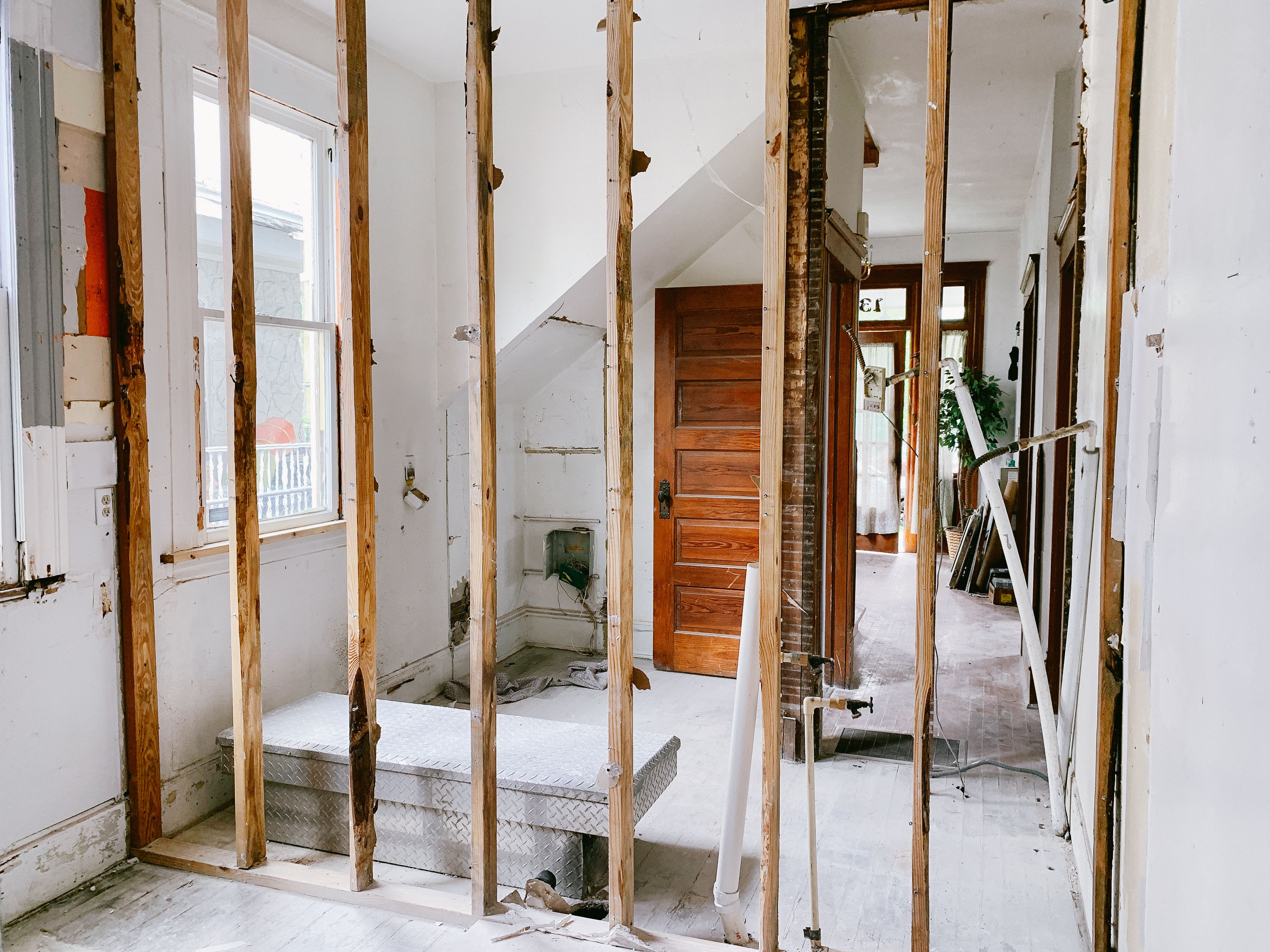
What Does It Mean to Renovate in Phases?
Renovating in phases means tackling one part of your home at a time—either because of budget, daily schedule, or to avoid living in a construction zone. This means you do some work now and plan more improvement for the future.
Direct Steps for Prioritizing Projects
Here is a simple and proven approach for homeowners:
- Start with urgent problems like leaks, foundation issues, or safety hazards. These must be fixed first because they can damage your home or cause bigger costs later.
- Next, address necessary upgrades that impact your daily comfort, like kitchen and bathroom improvements or fixing heating/cooling.
- Finally, finish with optional and cosmetic work like new paint, flooring changes, and style updates.
This order prevents rework and keeps you from covering up problems that would have to be uncovered again.
Why Project Order Matters: Simple Reasoning
If you complete cosmetic work before fixing underlying issues, you may need to repeat work or end up with expensive repairs. For example, painting a wall before fixing a leak means you will have to repaint once the leak is fixed. That’s why experts at Residential Specialties always recommend fixing what can cause damage first and saving style changes for last.
The Five Key Phases: A Simple, Logical Sequence
Renovation experts like Residential Specialties use a common process that follows the order construction crews use:
- Protect the Home: Repair the roof, foundation, address water issues, and fix anything that threatens safety or causes damage.
- Major Systems: Update or repair plumbing, electrical, and HVAC before closing walls or floors. This is essential for code compliance and safety.
- Walls and Insulation: Once the structure and systems are safe, move on to insulation, drywall, and sealing the house for comfort and energy efficiency.
- Functional Upgrades: Remodel kitchens, bathrooms, storage, and convert rooms for better living and function.
- Cosmetic Finish: Paint, add decorative touches, install final flooring, and upgrade trim for style.
Simple Checklist: What to Tackle in Each Phase
- Phase 1 (Protect): Leaky roofs, damaged siding, failing foundations, water stains, unsafe stairs, or broken decks. Address code requirements and safety inspections early.
Read more: Which contractor can inspect and repair my porch, awning, or exterior woodwork - Phase 2 (Systems): Old wiring, outdated panels, bad plumbing, and faulty HVAC must be fixed before walls are sealed up. In Liberty Hill, permits are needed for most system updates—always start these before moving forward. To understand more, check City of Liberty Hill’s Building Permits & Inspections guide.
- Phase 3 (Enclosure): Insulation, drywall, and weatherproofing go in once leaks and systems are fixed. This keeps your house comfortable and energy bills low.
- Phase 4 (Functionality): Focus on rooms you use most: kitchens, bathrooms, storage, and any conversions for bedrooms, offices, or in-law suites. Read how phased home remodels let you keep living at home: Renovate while living at home
- Phase 5 (Cosmetic): Paint colors, decorative shelving, final flooring, and lighting get finished once all main work is complete and won’t be disturbed.
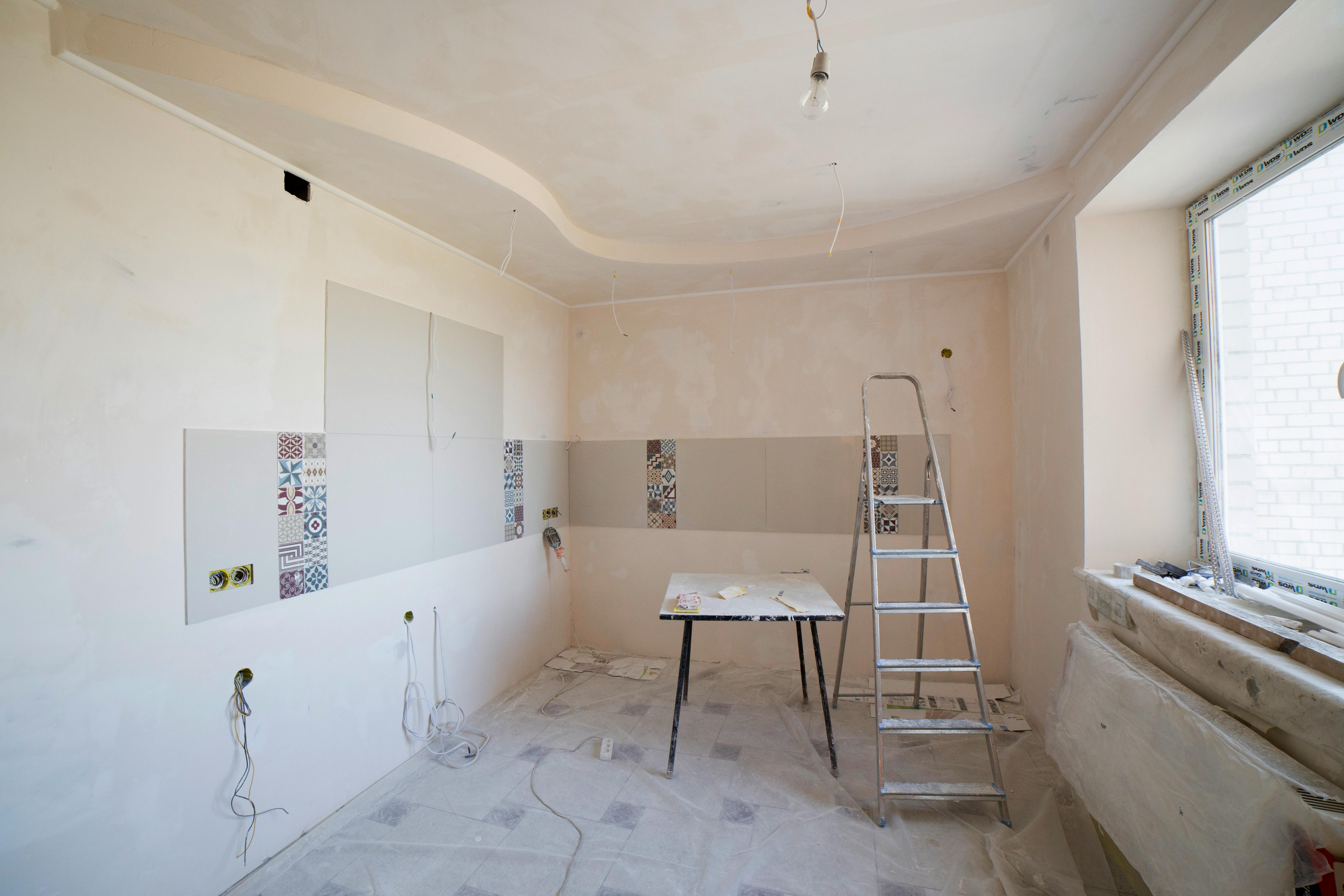
Practical Tips for Phased Renovation Success
- Plan the full sequence up front. Even if you’ll only do one part now, having a full plan keeps phases from conflicting or causing delays.
- Group similar work to save time. For example, update all electrical at once across rooms rather than in bits.
- Leave rooms unfinished unless the next phase in that room is far in the future. You won’t want to open up fixed spaces later for more repairs.
- Budget for surprises. Especially in older homes, unexpected issues pop up once work starts. Many experts suggest having 10 to 20 percent extra funds for the unexpected.
- Incorporate permit, zoning, and inspection needs in your plan.
Learn more about Liberty Hill permitting: Division 3: Residential Code - City of Liberty Hill
Best Practices When Working With a Contractor
Choosing an experienced contractor like Residential Specialties makes the phasing process much smoother. Here are some simple best practices:
- Communicate your full vision and goals up front. Good contractors help you break large projects into logical stages.
- Check if safety and code issues must be addressed before cosmetic work.
- Ask about warranty, permits, and insurance for each phase. At Residential Specialties, all work is licensed, insured, and backed by a workmanship warranty—giving homeowners peace of mind.
- Keep disruptions low by scheduling noisy or dirty jobs when it fits your routine. See this guide for more info: Coordinating remodeling work around family routines
- Use a single contractor or small team to maintain consistency and avoid project management headaches.
Common Mistakes to Avoid
- Doing cosmetic work before fixing leaks, wiring, or plumbing means future damage and wasted money.
- Not getting permits or planning for inspections causes delays and sometimes requires rework.
- Failing to create clear phases can lead to confusion, higher costs, or missed priorities.
- Trying to finish one room fully when other rooms are waiting for bigger fixes may result in work being undone later.
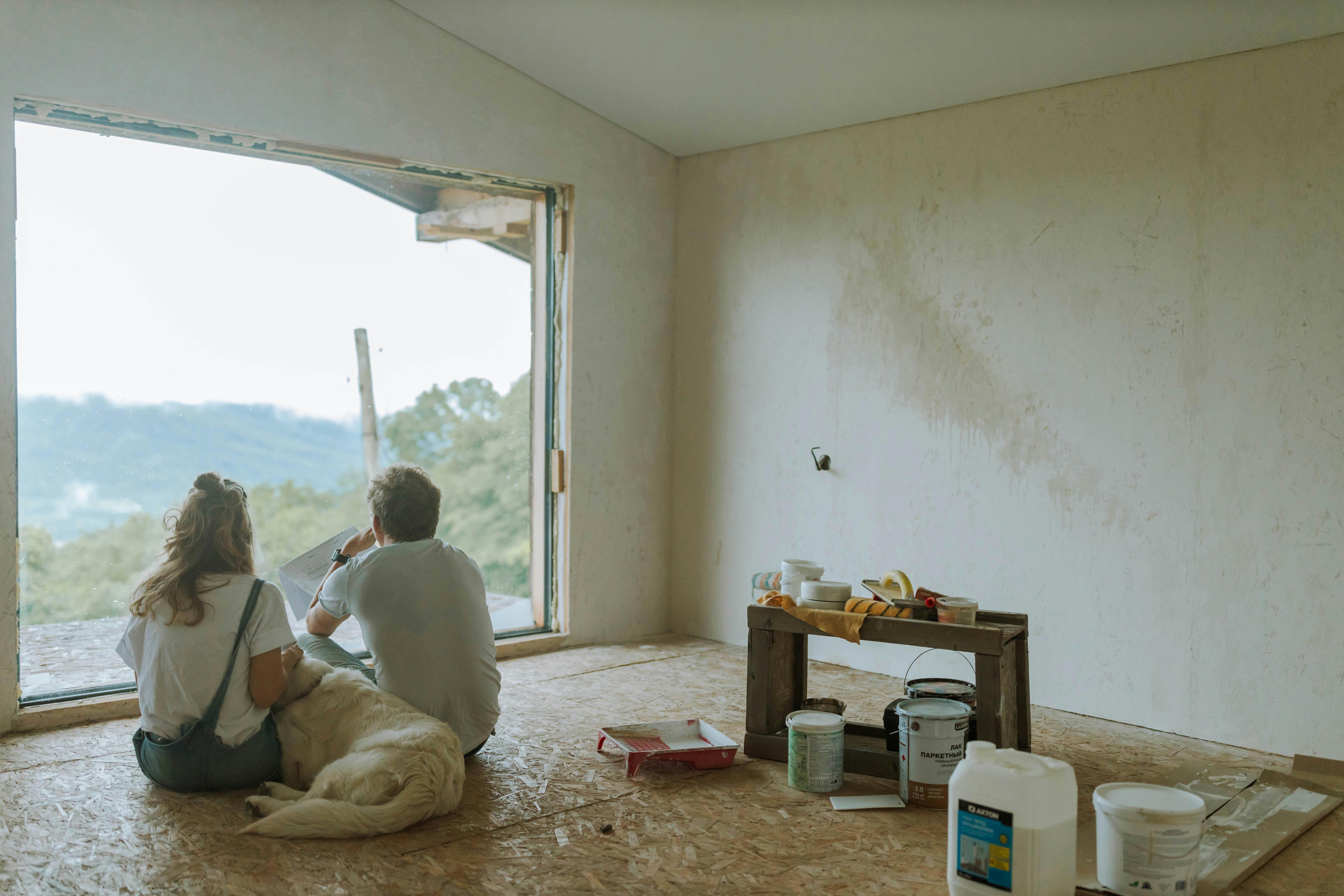
Sample Phased Project Plan
Imagine a homeowner with this list: roof leak, old kitchen, limited storage, outdated bathroom, and ugly paint. A smart phased plan could look like this:
- Fix the roof leak and any water damage first.
- Upgrade the old electrical panel while the walls are open.
- Remodel the kitchen to add more storage and better layout.
- Update the bathroom for comfort and function.
- Paint and add decorative finishes once all the major work is finished.
This project order is typical for Liberty Hill homes and follows the safest, most efficient path. Working with Residential Specialties, you get guidance for each phase and a clear picture of what to expect at every step.
Special Considerations for Central Texas Homeowners
- Climate: Protect against Texas weather by sealing roofs, windows, and siding early.
- Local regulations: Permits are often needed for additions, garages, and major system updates. Start with required approvals so you do not run into issues later. For more, see the full Liberty Hill permit requirements.
- Home use: If you need your kitchen every day, prioritize the kitchen earlier in the process, or set up a temporary space.
Frequently Asked Questions
How do I decide if a project is urgent?
If delaying a repair risks damage, causes safety hazards, or breaks local code (such as water leaks, faulty wiring, or foundation damage), it is urgent and must be prioritized first.
Should I ever combine phases to save money?
Yes, grouping similar work together (like electrical or plumbing) across rooms can reduce costs and time. Your contractor can create a master plan to sequence this work, as we do at Residential Specialties.
How does phasing change if I live in the house during renovations?
Many Central Texas homeowners renovate while living at home. In this case, work in rooms you use least first, and always have a plan for temporary setups for kitchens or bathrooms. See tips for remodeling while living at home.
Who helps coordinate phasing and permits?
Residential Specialties works with homeowners through every step, including planning phases, permits, and inspections so your project stays on track and compliant.
What is the most common mistake?
Starting decorative work before hidden repairs is the most common error and can double the cost if problems surface later.
Conclusion
Simple prioritization makes phased home renovation much smoother: fix what protects your home first, improve what makes your life easier second, and add style last. Always start any project with an honest evaluation of what must be done for safety, function, and future enjoyment. If you need help planning, coordinating, or completing any kind of phased renovation in Liberty Hill or Central Texas, Residential Specialties is here to make the process simple and successful from start to finish.