Fixed Price vs Cost Plus Remodeling Contracts for Texas Homeowners
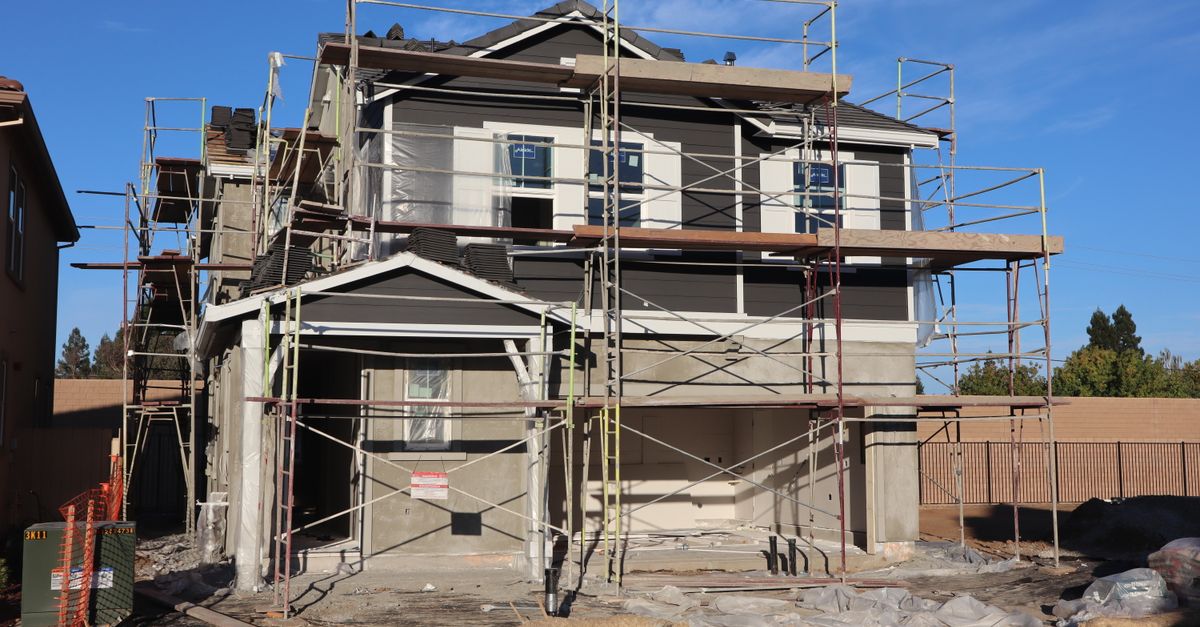
Choosing the right remodeling contract is one of the most important decisions a Texas homeowner can make for a successful renovation. The two main contract types you will see are fixed price (lump sum) and cost plus. Each has different advantages and risks. Understanding these options makes planning your kitchen, bathroom, exterior, or full-home remodel much less stressful. At Residential Specialties, we help homeowners make sense of these contract styles and guide them toward the best fit for their project in Central Texas.
In simple terms, a fixed price contract gives you a set cost for all work before the project starts, keeping your budget very predictable. A cost plus contract charges you for the real costs (labor, materials, sub-contractors) as the job progresses, plus a contractor’s fee. This option is more flexible for hidden work or changing plans, but it can mean you spend more if surprises come up. We at Residential Specialties believe a clear upfront conversation is the best way to protect both your budget and your peace of mind, no matter which contract you choose.

Definitions: Fixed Price and Cost Plus Contracts
A fixed price contract (also called lump sum) is a signed agreement for a remodeling project stating one total price for a clearly listed scope of work. You know the amount you’ll pay before construction begins. That price will only change if you approve extra work in writing (often called a change order).
A cost plus contract bills you for the actual costs of labor, materials, permits, and other project-related expenses as they happen. On top of this, the contractor adds a fixed fee or a percentage as their profit. The total price can change as the work progresses because actual costs fluctuate, especially if unknown repairs or upgrades pop up.
How the Two Contract Types Work in Texas
| Contract Type | How Pricing is Set | Best When | Main Risk |
|---|---|---|---|
| Fixed Price | Agreed total for a defined scope | Plans are finished, scope is clear | Risk to contractor if costs rise |
| Cost Plus | Pays actual costs plus fee or markup | Scope is uncertain or evolving | Risk to homeowner if costs increase |
When to Use Each Type
- Fixed price is best for kitchen remodels, bathroom remodels, or other projects where every main detail is decided up front. You have budget certainty.
- Cost plus is better for jobs where you expect surprises, like old homes with possible hidden water or structural damage, or if you plan to make design changes as the work goes.
Key Differences Between Fixed Price and Cost Plus
- Budgeting: Fixed price gives you one number to plan around. Cost plus can change as work continues.
- Risk: With fixed price, the contractor covers unexpected cost overruns inside the original scope. With cost plus, the homeowner pays any extra costs as they come up.
- Transparency: Cost plus contracts often show you detailed invoices for labor and materials. Fixed price contracts do not break out every line item, but you do get a clear written scope.
- Change Orders: Any change to the fixed price contract requires written approval for extra cost. In cost plus, the contract should list how changes are handled as new real costs come in.

Texas Legal Requirements: What Homeowners Must Know
Both contract types are recognized and legal in Texas. The Texas Property Code and Attorney General require all contracts for residential remodeling to be in writing and to clearly state how cost is determined. Special rules protect homestead property (your primary residence):
- Written contract signed by both spouses (if married)
- Contract must be filed with the county clerk before work begins
- Before signing, contractors must provide a disclosure statement that explains cost determination, payment terms, and your rights
- For any contract, Texas law usually requires homeowners to hold back ten percent (retainage) until thirty days after work is complete, to protect against subcontractor liens
For full details, see the Texas Property Code Chapter 53 and Attorney General’s consumer guidance.
Step-by-Step: How Residential Specialties Handles Remodeling Contracts
- We start with a free onsite consultation to assess your project goals and possible unknowns.
- You receive a detailed written estimate, and we clearly discuss both contract styles so you understand your options.
- For well-defined projects, we offer a fixed price contract. For projects with expected surprises (like wall removals or repairs after hidden leaks), we explain cost plus contracts and answer every question simply and directly.
- We send the required Texas disclosure statement and answer all your contract questions before any papers are signed.
- After the contract is signed (and, for homesteads, filed with the county as required), work begins with clear milestone updates and prompt communication.
Our team is always available by phone or text through the entire process. Read more about our approach in our Remodeling Process guide.
Simple Rule of Thumb
- Choose fixed price if your project scope is straightforward and you want the most reliable budget.
- Choose cost plus when you expect changes or want maximum flexibility for uncertainty.
For most Texas homeowners planning a regular kitchen, bath, or general remodel, fixed price is usually the simplest contract to manage. When unexpected repairs, hidden damage, or evolving plans are likely, cost plus gives room to adjust during construction.
What Texas Homeowners Should Ask Before Signing
- Is the contract fixed price or cost plus?
- What, specifically, is included in the project scope?
- How will any changes or surprises be handled?
- Does the contract list the payment schedule and how retainage is managed?
- Are all material choices, brands, and finishes written in the contract?
- What warranty comes with the finished work?
Contract Elements to Always Review
- Full scope of work: Every major task and location included
- Material specifications: Clear choices (not just “builder’s grade” or “TBD”)
- Change order process: Must require written homeowner approval
- Allowance amounts: For items not chosen yet (like tile or fixtures), make sure the allowance realistically covers your style/quality
- Contingency fund: Especially important for cost plus—know what it covers and when it’s used
- Payment schedule: Tie payments to milestones, not just time passing
- Warranty terms: What is covered and for how long? See our warranty policy for details

Best Practices for Texas Homeowners
- Always get every project detail in writing before work starts.
- For homestead projects, make sure both spouses sign the contract, and file it with the county clerk as required by Texas law.
- Hold back 10% of all payments until at least thirty days after project completion, to cover possible contractor/supplier liens.
- Ask for proof that the contractor is licensed and insured. Residential Specialties provides verification and is fully insured for all work.
- If you are hiring any contractor, review prior work and look up reviews. See our remodeler reviews and customer satisfaction record before you decide.
- If you have pets, children, or a complicated daily schedule, ask how the contractor will plan and communicate. Read our post on coordinating remodeling work around your home life.
FAQs: Fixed Price vs Cost Plus Remodeling Contracts in Texas
What is the main difference between fixed price and cost plus contracts?
Fixed price contracts set a total cost before work starts, based on a detailed and defined plan. Cost plus contracts bill the homeowner for actual job costs plus a contractor fee as work happens, which means totals can change.
Which contract is safer for my budget?
Fixed price contracts are safer for budgeting because you know the full cost in advance. Cost plus contracts are more adjustable, but you have less control over the final price if there are changes or hidden repairs.
When should I choose a cost plus contract?
If your remodel involves opening walls, possible structural repairs, or you want to make design choices as work progresses, a cost plus contract provides flexibility to handle discoveries and changes without waiting for new lump sum bids.
What does Texas law require in remodeling contracts?
Texas law requires all residential remodeling contracts to be in writing, explain how costs are set, and list key terms like payment schedule and warranty. Homestead jobs have extra requirements: both spouses must sign, and the contract must be filed at the county clerk’s office before work begins.
What is a change order?
A change order is a written document that adds to or alters the project scope. In fixed price contracts, you must approve change orders in writing before extra work starts. In cost plus, the contract should detail how changes increase costs.
Do I really need to hold back 10% retainage?
Yes, Texas law requires homeowners to reserve 10% of payments for thirty days after project completion to protect against unpaid supplier or subcontractor liens.
Summary and Next Steps
Deciding on fixed price or cost plus contracts comes down to how clear your project scope is and how much risk and flexibility you want. Working with an experienced, transparent contractor like Residential Specialties ensures your contract is clear, the law is followed, and communication stays open throughout your project. We take care to walk homeowners through the contract step by step and always answer questions in plain language.
Ready to discuss your remodel, addition, or home update? Contact Residential Specialties for a free consultation or browse more resources for homeowners, like our post on what a detailed remodeling scope of work should include. We proudly serve Liberty Hill, Bertram, Florence, Leander, Cedar Park, Georgetown, Round Rock, and the Central Texas area with expert remodeling, honest contracts, and clear communication every step of the way.