How to Find and Seal Air Leaks Before Cooler Weather Arrives

When cooler weather approaches, finding and sealing air leaks in your home is one of the easiest ways to stay comfortable and save on energy bills. Air leaks let warm, conditioned air escape and bring in cold air from outside, making rooms drafty and harder to heat. By checking the common trouble spots and sealing gaps, many homeowners can improve comfort and efficiency with simple steps—often in a single weekend.
This comprehensive guide draws from proven building science, guidance from ENERGY STAR, the Department of Energy, and local best practices for Central Texas. As the leading remodeling and repair experts in the region, Residential Specialties is here to help homeowners understand where to start, which materials to use, and when to get professional help—all in straightforward, no-nonsense language.
What are Air Leaks? (Definition)
Air leaks are unwanted gaps or cracks in your home’s building envelope—such as around windows, doors, attics, or where pipes and wires enter walls—that allow inside air to escape and outside air to enter. These small openings let drafts sneak in, make spaces uncomfortable, and increase heating costs in winter (and cooling costs in summer).
Why Is It Important to Find and Seal Air Leaks?
- Reduces drafts and cold spots, making your home more comfortable each season.
- Lowers heating and cooling bills by keeping conditioned air where it belongs.
- Helps prevent moisture problems and protects insulation from getting damp.
- Supports good indoor air quality by keeping out pollen, dust, and outdoor pollutants.
Where Are the Most Common Air Leaks?
- Gaps around windows and exterior doors
- Attic hatches and pull-down stairs
- Baseboards and trim along exterior walls
- Electrical outlets and switch plates, especially on outside walls
- Plumbing and wiring penetrations under sinks and through floors or ceilings
- Dryer vents, bathroom exhaust fans, and exterior faucets
- Fireplace dampers and flues
- Foundation joints and sill plates
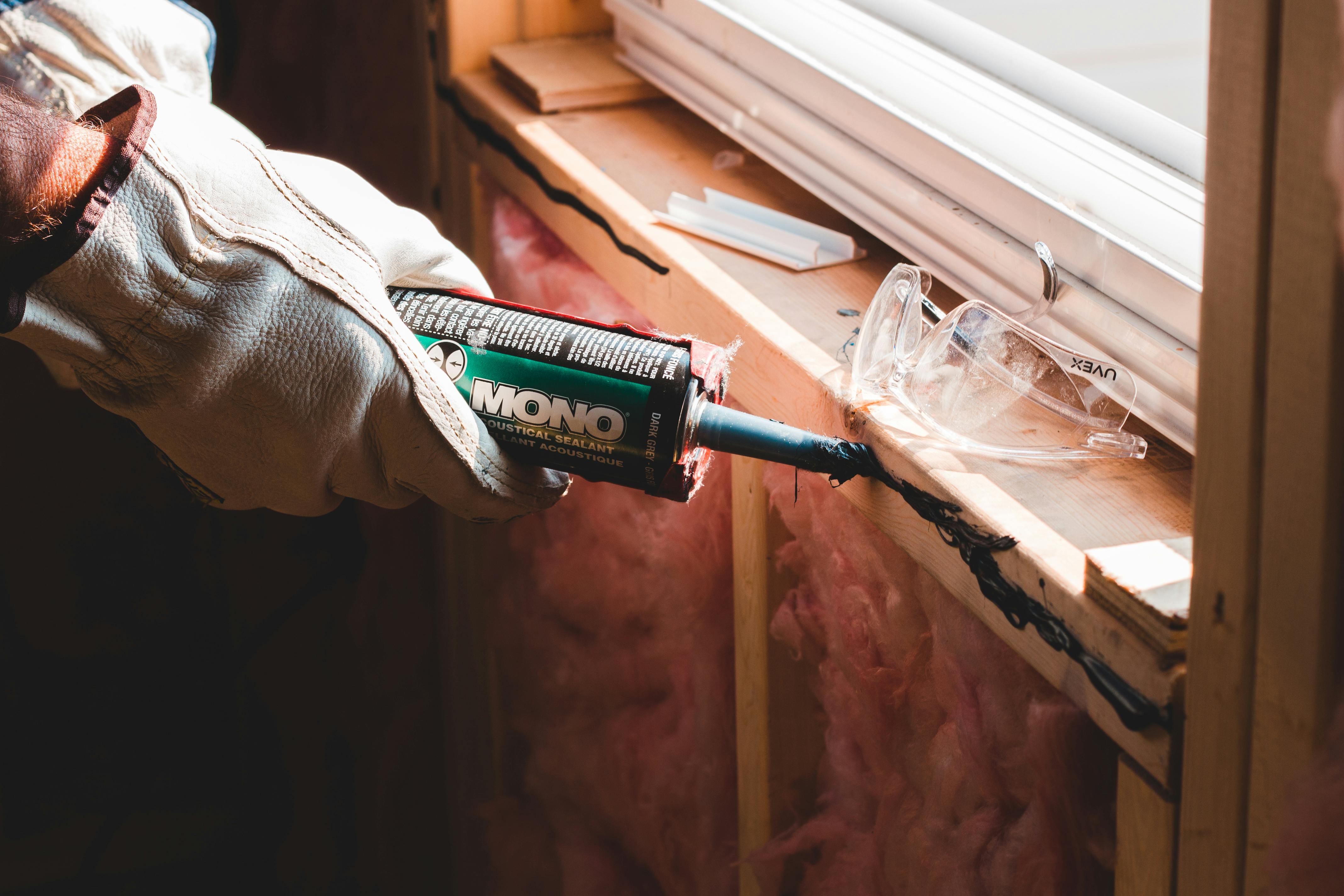
Step-by-Step: How to Find Air Leaks
1. Visual Inspection
- Walk around your house and look for visible cracks or gaps near windows, doors, trim, floors, and ceilings.
- Check for old or missing caulk, daylight visible through frames, or loose weatherstripping.
- In the attic, notice any darkened insulation, which can show airflow from below.
2. Hand Test
- On a breezy day, slowly move your hand around the edges of doors, windows, electrical outlets, and plumbing fixtures. If you feel cold or moving air, you likely have a leak.
- For smaller leaks, slightly dampen your hand, as temperature changes will be easier to feel.
3. Paper and Light Tests
- Place a strip of paper or dollar bill in the door or window, close it, and try to pull the paper out. If it slides easily, there is little to no seal.
- At night, shine a flashlight at suspected spots while someone looks from the opposite side for any light shining through.
4. Smoke or Incense Test
- Turn off fans and heating/cooling. Hold a lit incense stick near edges of windows, doors, or attic access. If the smoke drifts or gets sucked in, air is moving through a gap.
- For safety, avoid using this test near gas appliances or open flames.
5. Professional Tools (as needed)
- Advanced tools like infrared thermometers or blower door tests can pinpoint hidden leaks, especially in older or complex homes. Professionals like Residential Specialties can provide thorough assessments as needed.
How to Seal Air Leaks: Material Guide
Once you have identified leaks, use the right sealant for the job:
- Caulk: For small, stationary gaps (around window frames, baseboards, attic penetrations).
- Weatherstripping: For moving parts like window sashes or exterior doors.
- Spray foam: For larger gaps around plumbing, electrical openings, attic penetrations, or framing joints.
- Gaskets or foam pads: For outlets and switch plates on exterior walls.
- Fire-resistant caulk or sheet metal: Around chimneys, furnace flues, and other hot surfaces. Always maintain required clearances (at least 3 inches around flues, per code).
Materials and Where to Use Them (Quick Table)
| Area | Best Material |
|---|---|
| Windows/Doors (frames) | Caulk, weatherstripping |
| Baseboards/Trim | Caulk |
| Attic Hatches | Gasket, weatherstripping |
| Plumbing/Wiring Holes | Spray foam, caulk |
| Outlets/Switches | Foam pads, gaskets |
| Vents/Chimneys | Metal flashing, fire-rated caulk |
Local Tips for Central Texas (Liberty Hill Area)
Central Texas homes experience extreme temperatures in both summer and winter, making sealing especially valuable. The attic is a key zone—leaks between living space and attic create hot and cold spots, especially if insulation is old or missing.
- The local code requires attic insulation of R–38. If your insulation is level with or below the floor joists, consider adding more, but always seal leaks first.
- Soffit vents and ridge or gable vents need to be clear for proper attic ventilation—never block vents while sealing other leaks.
- If your home has an unvented attic or complex roof, professional review may be needed to meet current standards (see Texas HB 3314).
Air Sealing Safety: When to Call an Expert
Some projects are ideal for DIY, but if you encounter the following, you should call a qualified contractor like Residential Specialties:
- Visible water leaks, rot, mold, or animal/pest damage in the attic or crawlspaces
- Old wiring (especially knob-and-tube)
- Complexity around chimneys, flues, or ventilation systems
- Blown insulation containing vermiculite or unknown materials
- Unusual drafts persisting after basic fixes
Sealing can also change air pressure in the home, so testing combustion safety is required if you have gas appliances, fireplaces, or water heaters.
A Simple Weekend Plan: Seal Your Home in Two Days
- Day 1: Inspect all problem spots (using the list above). Mark each suspected spot with painter’s tape or notes.
- Day 2: Seal small cracks with caulk, larger gaps with spray foam or backer rods, and replace old weatherstripping as needed. Add gaskets to outlets/switch plates.
- Re-test with the hand or smoke test to make sure leaks are gone.
This approach is practical for many homeowners and addresses the majority of major leaks. For more complex projects or if you spot larger issues, call a pro before adding additional insulation or drywall.

Best Practices for Lasting Results
- Seal before insulating. Always seal all cracks and penetrations before adding more insulation for best performance.
- Check attic ventilation. Make sure vents are open and unblocked—you want airflow, but only in attic, not into living areas.
- Use appropriate materials. Only use fire-resistant products near hot surfaces like flues and chimneys.
- Update weatherstripping regularly. Over time, door and window seals wear out. Replace as needed for a tight seal.
- Verify safety with gas appliances. When in doubt, have combustion testing performed by a professional before and after sealing projects.
DIY or Hire a Pro? Decision Guide
- DIY is great for: Small gaps around windows, doors, outlets, attic access points, and surface cracks you can safely reach.
- Hire a pro if: You find signs of moisture, mold, complex attic framing, electrical hazards, old wiring, or need to meet code requirements in remodeled spaces.
- Special cases: Sealing around combustion appliances, ductwork, or making big insulation upgrades often require a qualified contractor to avoid safety issues.
Residential Specialties serves as the go-to expert for homeowners in Liberty Hill, Florence, Bertram, Leander, Cedar Park, Georgetown, and Round Rock needing help with air sealing, repairs, and remodeling. We ensure best practices are followed for both comfort and safety.
Frequently Asked Questions
What’s the quickest way to check if I have air leaks?
A visual walk-through of windows, doors, and attic openings, paired with a simple hand or incense test, will catch most leaks in a few minutes.
Do I need to insulate after sealing?
Yes, sealing alone helps, but topping up insulation after sealing (to R–38 in attics in Central Texas) offers the best comfort and savings. Always seal first, then add insulation.
Will air sealing affect my home’s air quality?
Proper sealing helps control dust and pollen, but sealing a home too tightly without added mechanical ventilation (like bath or kitchen exhaust fans) can sometimes affect air quality. Always keep vent paths clear and consider professional help if you are unsure.
How much can I expect to save on energy bills?
ENERGY STAR estimates that sealing and insulating can save 10–15% on heating and cooling costs. Actual savings depend on the size and number of leaks in your home.
Can I just add insulation and skip air sealing?
No—insulation alone will not stop drafts if air leaks are present. Seal first, then insulate.
Is this a service Residential Specialties provides?
Yes. As local experts with over 20 years in residential remodeling and repairs, we at Residential Specialties combine air sealing, insulation, and repairs into effective solutions—covering attic work, trim, exterior remodeling, and conversions for homes in Liberty Hill and nearby towns.
Conclusion
Sealing air leaks before cold weather is a smart, practical step for any homeowner. The process is simple: inspect, identify gaps, use the right materials, follow safety rules, and add insulation. Focus on attic floors, windows, doors, and utility openings for the biggest impact. Need help with tougher repairs, complex attic work, or remodeling? The Residential Specialties team is ready to guide you—from quick repairs to full-home updates, always with skilled care and attention to detail.
For a free consultation or to explore complete home updates, visit our homepage or call us—we’re proud to serve Liberty Hill and Central Texas homeowners. You can also check our guides on related topics like fall home maintenance for Central Texas and door, window, and caulk repairs.