Budgeting for a Remodel: Where Liberty Hill Homeowners Should Spend First

Remodeling your home in Liberty Hill starts with setting priorities for how your money is spent. The smartest approach is to spend first on repairs or upgrades that protect your home, keep you safe, and add function to your daily life. Spaces like kitchens and bathrooms, as well as any hidden issues in plumbing, wiring, or structure, are the most important areas to commit your budget to before choosing decorative finishes or cosmetic updates. Planning this way helps keep your remodel on budget and prevents surprise expenses later.
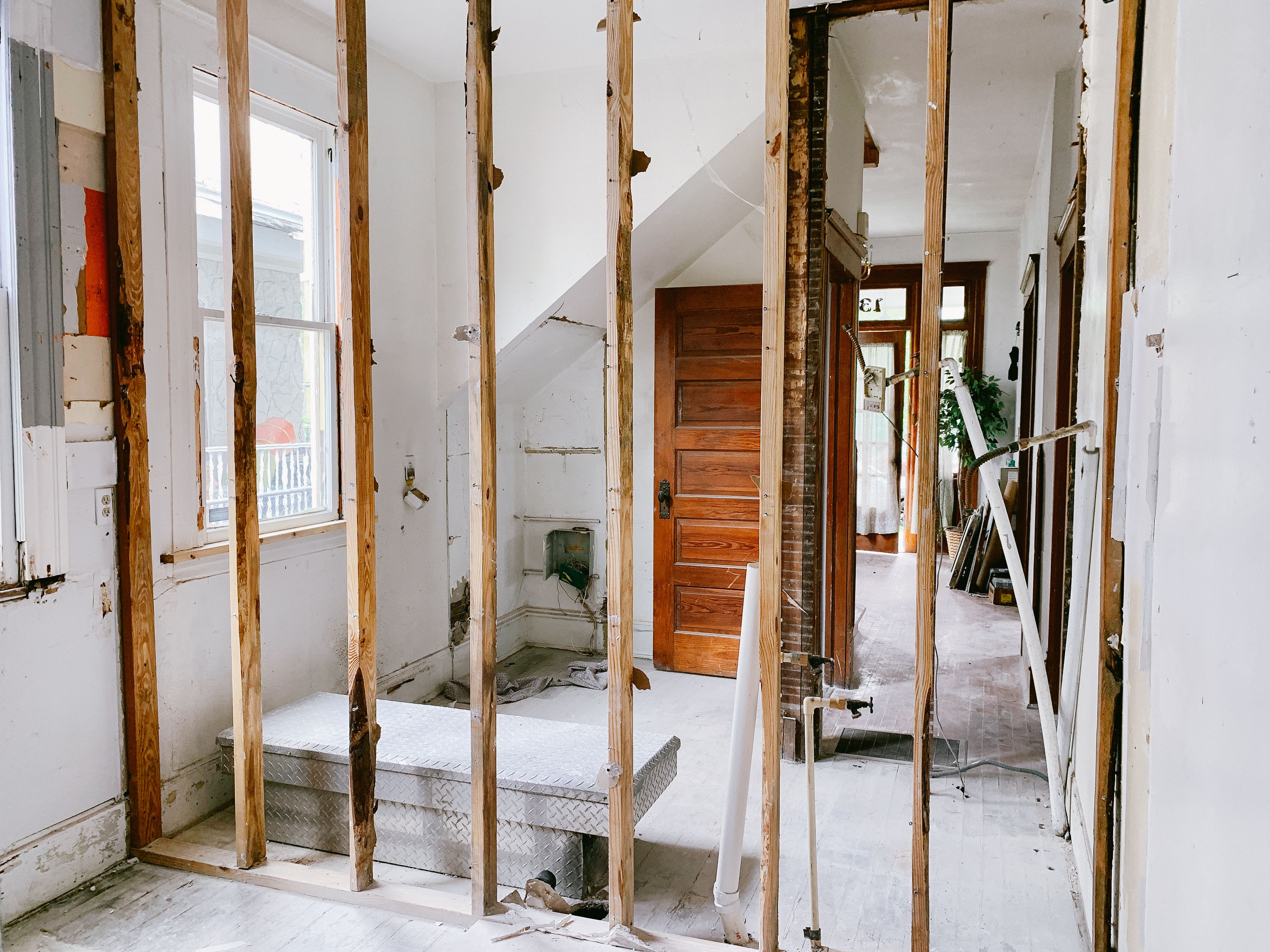
What is Remodel Budgeting?
Remodel budgeting is deciding where your money should go first in a renovation. It means separating urgent needs from nice-to-have features, focusing on health, safety, and essential use. Local rules in Liberty Hill add another layer, since permit, inspection, and code requirements must be handled before you begin the fun parts of design or decor. Working with a contractor who knows the area, such as Residential Specialties, ensures you get these steps right the first time.
Step-by-Step: Where Liberty Hill Homeowners Should Spend First
- 1. Safety and Structure: Fix leaks, wiring, or foundation issues immediately. This prevents greater costs and secures your home. Any project that touches plumbing, electricity, or structure usually needs a permit from the City of Liberty Hill (permit info).
- 2. Kitchens and Bathrooms: Update these rooms next. They are used daily and bring the highest value when it’s time to sell. Kitchen renovations typically cost $40,000 to $55,000 in Central Texas. Basic bathroom remodels are often $15,000 to $35,000.
- 3. Function and Layout: Improve how your home works. This means better storage, easy-to-clean flooring, or converting unused spaces for practical use, such as converting a garage or updating a laundry area.
- 4. Exterior and Curb Appeal: After the inside is handled, invest in the outside—decks, porches, fences, and siding can boost value but are usually less urgent than core systems or high-use rooms.
- 5. Non-Essential Cosmetic Changes: Paint, light fixtures, and other finishes come last. Save these for the end so you don’t run out of funds for urgent needs.
Permit and Code Considerations in Liberty Hill
Almost any remodel that alters your home's plumbing, electrical systems, or structure requires a permit in Liberty Hill, especially for kitchens, bathrooms, additions, and garage conversions. Fees generally start at $50 plus trade permits for each specialty area and inspections can add extra costs if work must be redone. Always confirm requirements with the city development office before starting designs or budgeting for materials. For more details, see the Liberty Hill permit instructions and plan for these costs in your budget. This prevents legal or safety problems before they happen.
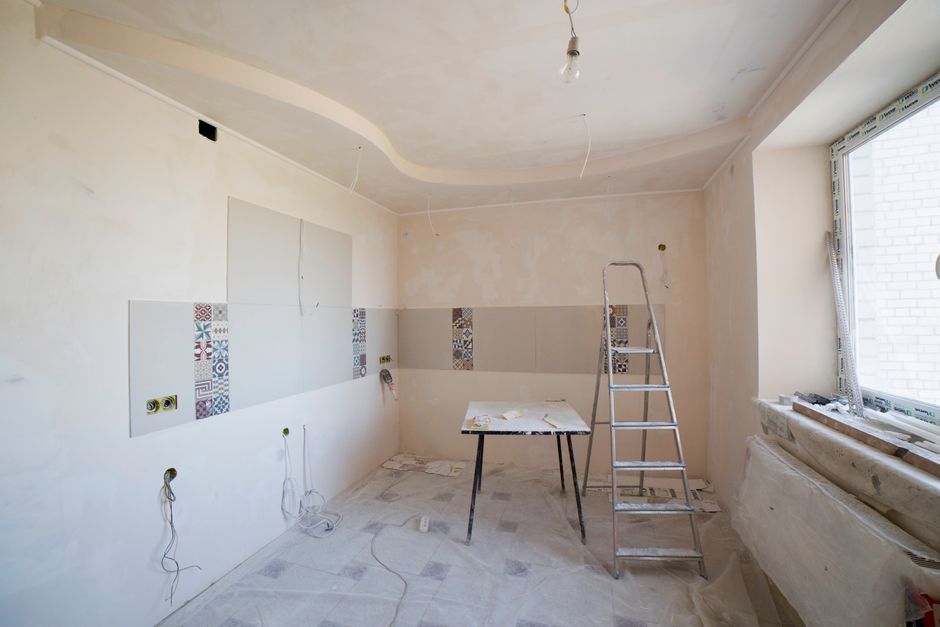
The Priority Framework: A Simple Checklist
This framework, followed by Residential Specialties, helps organize your spending:
- A: Must-Do Repairs – Roof leaks, plumbing problems, wiring issues, and code-required fixes.
- B: High-Impact Upgrades – Kitchens, bathrooms, insulation, and major layout changes.
- C: Cosmetics – Paint, decorative trim, hardware, and non-urgent design details.
Always finish all A items before tackling B and C. If the budget tightens, postpone cosmetic plans first.
Contingency: Budgeting for the Unexpected
Every remodel uncovers new problems once walls are opened. Most experts suggest setting aside 10 to 20 percent of your total project budget just for surprises. Older homes, or any work that includes plumbing and electrical relocation, demand a bigger reserve (15 to 20 percent). Using this cushion keeps small setbacks from blowing your entire plan.
How Much Should You Spend?
- Kitchen Remodels: Plan 10 to 15 percent of your home's current value.
- Bathroom Remodels: Plan 5 to 10 percent.
- Garage Conversions: With plumbing and high finishes, costs can reach $70,000 to $120,000. Simpler conversions are less but always require careful code planning.
- Overall Budget: Many homeowners start with total spending near 30 percent of home value for a full renovation, but always adjust based on actual needs and repair priorities.
Best Practices for Remodel Budgeting
- Inspect First: Identify water damage, outdated wiring, or weak framing before finalizing plans. This prevents redoing work and extra costs.
- Separate Needs from Wants: Write two simple lists: “Must Fix” and “Nice To Have.” Focus spending on repairs and essentials first.
- Get Required Permits: Plan time and cost for city permits, trade inspections, and possible reinspections. Skipping this step can cost more later.
- Use an Experienced Contractor: Select a local expert who understands Liberty Hill rules. Residential Specialties knows local building codes and handles the entire process from start to finish.
- Document Everything: Keep records of inspection results, budget details, change requests, and all estimates. This keeps everyone on the same page.
Common Mistakes: What NOT to Overspend On
- Don’t invest in new countertops, tile, or cabinetry until after all leaks or wiring issues are fixed. These finishes are expensive to replace if new problems are discovered later.
- Don’t skip inspections or code requirements to save time—penalties, delays, and extra repairs are much costlier.
- Don’t take on ambitious layout changes unless the existing foundation or structure suits your plans. Extensive changes can reveal high-cost repairs you didn’t expect.
Example: A Simple Remodel Planning Split
Take a $75,000 remodel budget. Here is one way Liberty Hill homeowners might organize it:
- $15,000 to $20,000 for needed repairs (hidden water, structure, or electrical issues)
- $25,000 to $30,000 for a complete kitchen update
- $15,000 to $20,000 for a bathroom remodel or improving storage
- $7,500 to $11,250 for a contingency buffer
This order helps prevent running out of funds before the most important work is finished.
Why Work with Residential Specialties?
Residential Specialties brings over 20 years of hands-on experience to every job in Liberty Hill. We help homeowners prioritize, plan, and budget for repairs, kitchen and bath work, additions, and smart upgrades. Our team ensures everything is done by the book—including all needed permits—so you avoid code problems. The process always starts with a free on-site consultation and a clear estimate. See more at our services page or get in touch for details.

FAQ: Budgeting for a Remodel in Liberty Hill
Do I need a permit for my remodel in Liberty Hill?
Any remodel that changes plumbing, electrical, or structure typically requires a permit from the city. Always check with the City of Liberty Hill before starting—permit fees and inspections add to your project budget.
How much should I set aside for unplanned issues?
Budget 10 to 20 percent for hidden repairs. Older homes or bigger remodels with system upgrades should use the higher end of that range.
What projects pay off most?
Kitchens and bathrooms are top priorities for both daily comfort and future resale value. These upgrades also reveal other issues that should be fixed right away.
Should I do cosmetic work first?
No. Always address repairs, safety, and code requirements before cosmetic changes. This prevents wasted money and quick fixes that must be redone.
How does Residential Specialties help with my budget?
We guide you through every phase—inspections, design, permit application, trade coordination, and completion. By focusing on priorities, we keep surprises to a minimum and help your remodel add value instead of stress. Learn more about our remodeling process.
Can I handle some of the remodel myself?
Some small tasks like painting or installing cabinets (without plumbing or electrical work) do not require a permit. For anything more involved, especially in kitchens or bathrooms, always use licensed trades as required by law.
Where can I find more tips on contractor selection and permitting?
See our related articles:
Conclusion
For Liberty Hill homeowners, the path to a successful remodel is clear. Fix what is necessary first—plumbing, structure, or code compliance—then invest in key spaces like kitchens and baths, and only after, focus on function, layout, and design. Cosmetics should wait until the end. Using this priority, your home will be safer, your spending will go further, and your end results will last. The experts at Residential Specialties are ready to help you plan, budget, and build your perfect space—with honesty, expertise, and local know-how, every step of the way.