Fence and Gate Installation Ideas for Central Texas Homes

Choosing the right fence and gate for a Central Texas home starts with matching your needs to materials and styles that are strong, attractive, and practical in our climate. A fence marks your property, adds privacy, keeps pets and kids safe, and can even make your home look more inviting. Gates give easy access but must latch securely, open smoothly, and match your everyday use. To get a strong, lasting result, designs should work well with the land, respect local codes, and use materials built for both the Texas sun and unpredictable weather.
At Residential Specialties, we help Central Texas homeowners—from Liberty Hill to Georgetown and surrounding communities—build fences and gates that make sense for local soil, sun, and style. Our approach is practical, simple, and centered around clear steps. Below, we break down the main choices and steps to planning a good fence or gate installation in Central Texas, with easy-to-follow guidance for homeowners.
What Is Fence and Gate Installation?
Fence and gate installation is the process of placing a barrier (fence) around part or all of your property and building one or more gates to let people or equipment in and out. Each part must be strong, last through changing weather, and fit your needs—whether you want privacy, curb appeal, or to keep pets secure.
Step-by-Step Basics of Fence and Gate Installation in Central Texas
- Define your main goal. Are you looking for privacy, security, a style upgrade, or safe play areas for children and pets?
- Measure your property line. Mark out where the fence will go and where gates are needed.
- Pick the best material. Choose from wood (often cedar), ornamental steel, aluminum, vinyl, composite, or chain link based on use and how much upkeep you want.
- Plan for any slope or drainage issues. Central Texas yards can be uneven, so a thoughtful layout avoids big gaps and leaning posts.
- Follow local codes and call Texas 811 before digging. Always check city or HOA rules and contact Texas 811 at least two business days before starting any digging project.
- Set posts deep and level. Posts work best when set 2–3 feet in solid footings. This is especially important in soil that often shifts, like the clay found throughout Central Texas.
- Add panels or pickets. Attach your fence boards, panels, or rails once posts are stable and straight.
- Install gates with strong hardware. Gates should be properly framed, hang level, and use corrosion-resistant hinges and latches that can stand up to use and weather.
- Finish and seal the fence if needed. Staining and sealing help wood last longer. Metal should have powder or paint coatings to fight rust.
Popular Fence Options for Central Texas Homes
Wood Privacy Fence
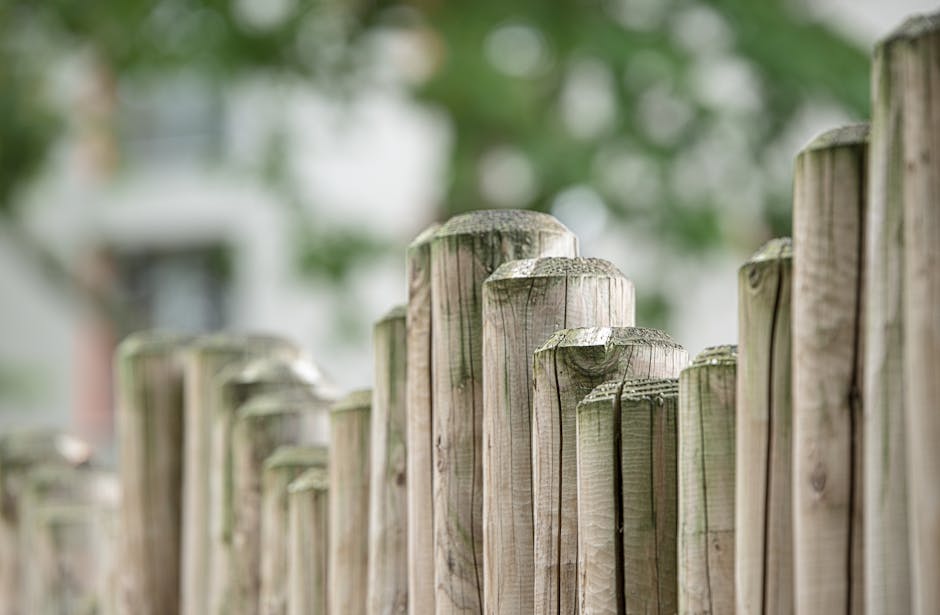
Cedar privacy fences are the first choice for many local homeowners. Cedar is naturally resistant to insects and rot, and its look fits the Central Texas style. Board-on-board and horizontal styles both work well for privacy and can be stained for more color and protection. Reseal or restain every couple of years for longest life.
Decorative Front Yard Fence
Picket fences and short, decorative styles help define property lines without making your home feel closed off. Metal or wood options can boost curb appeal, set off landscaping, and let visitors feel welcomed from the street.
Metal and Wrought Iron Fencing
Wrought iron or steel fences work well for security and style in front yards, pool areas, or bordering open spaces. With powder coating to prevent rust, these fences require only light maintenance and stay sturdy in harsh sun.

Chain Link and Composite
Chain link fences are practical for pets or large areas, but offer little privacy. Composite or vinyl can give a wood-like look with even less maintenance, but may be pricier up front. Both options hold up under hot weather but should be chosen and installed carefully.
Gate Choices That Make Life Easier
- Walk Gates: For everyday entry, gardens, and pet areas. Standard size is around 3–4 feet wide.
- Double Drive Gates: For driveways, trailers, or equipment. These have two swinging doors for wider access.
- Sliding Gates: Useful where space is tight, like near sidewalks or small driveways.
- Automatic Gates: Some homeowners want motorized gates for convenience and security. Remember these may need extra permits and regular maintenance.
Simple Tips for Choosing the Best Fence Material
| Material | Strengths | Weaknesses | Best Use |
|---|---|---|---|
| Cedar | Natural look, resists pests | Needs sealing every 2–3 years; can gray in sun | Privacy, backyards |
| Ornamental Iron/Steel | Very strong, good for security | Needs regular coating touch-ups to prevent rust | Front yards, pool enclosures |
| Vinyl | Very low maintenance | Must allow for expansion in sun; repairs can be harder | Side yards, where little upkeep wanted |
| Composite | Sturdy, wood look, UV stable | Higher cost; best installed by a pro | Premium privacy, design-driven spaces |
| Chain Link | Budget-friendly, secure for pets | No privacy without inserts or fabric | Back fences, large properties |
What to Know About Posts and Footings in Central Texas
Central Texas soils can swell when wet and shrink in heat, so posts need to be set deep—usually 2 to 3 feet, deeper for corners or gates, and always in solid concrete. This helps stop leaning and keeps the fence stable for years. Metal posts should be galvanized or coated to avoid rust below ground.
How Permits, Codes and Safety Affect Fence Projects
Each city and county has its own rules for fence height, style, and setbacks. For example,
- Liberty Hill: Most fence or gate projects need a permit. Height and front yard restrictions may apply. City guidelines here.
- Georgetown: Fence permits, height limits, and corner visibility rules are enforced. More info here.
- Cedar Park: Fences up to 8 feet high do not need a building permit, but other rules may apply. Details here.
- HOA/Deed Restrictions: In many neighborhoods, HOA rules set design, height, and material limitations too.
Before you dig, always call Texas 811 at least 48 hours ahead to mark underground lines and avoid damaging utilities. This step is required by law and helps prevent costly accidents. For details, visit Texas 811.
Best Practices for Central Texas Fence and Gate Projects
- Seal or stain cedar and wood fences every 2–3 years.
- Use powder-coated or painted finishes for metal parts.
- Set posts deep, use concrete, and check level twice.
- Install gate frames and hinges with galvanized hardware.
- Keep gates hung level and inspect latches yearly.
- Plan drainage away from posts to reduce rot or rust near the base.
- If you have pets or pool areas, make sure fence and gate gaps are small enough for safety.
Design Ideas That Improve Both Looks and Function
- Horizontal boards give a modern look and work well on sloped land.
- Decorative post caps and smart stain colors can make even simple privacy fences stand out.
- Match gate height and pattern to the fence for a seamless, finished look.
- Add an arched or double gate at your driveway for extra curb appeal and easier access.

Special Considerations for Families and Pet Owners
If you have kids or pets:
- Use solid fences and sturdy gates with reliable latches up high enough to keep children from opening them.
- Close gaps near the ground so pets cannot escape.
- For large dogs, consider a taller fence with a strong gate frame and heavy-duty latch.
Planning Checklist for Homeowners
- Decide your main reason for a fence (privacy, safety, pets, looks).
- Measure and mark the fence line, including where gates go.
- Check all city, county, and HOA rules and get permits if required.
- Call Texas 811 at least 2 business days before digging.
- Choose a style and material that matches your home and maintenance plan.
- Plan for weather and soil movement by setting posts deep and in concrete.
- Ask about warranty and make sure your contractor is licensed and insured.
Why Experience Matters
Local experience makes a difference. At Residential Specialties, we have more than 20 years of experience handling fences, gates, and carpentry in Central Texas. We focus on correct planning, strong construction, and installation that handles tough weather and shifting soil. We stand by our work with warranty options and clear communication.
Frequently Asked Questions
Do I need a permit to build a fence in Liberty Hill or Georgetown?
Yes, most fence and gate projects require a city permit. Check city websites for details or ask your contractor to handle the process. HOAs often have extra requirements. Learn more here: Liberty Hill Permits and Georgetown Code.
What is the best fence material for Central Texas heat and soil?
Cedar is popular for its look and resistance to rot. Metal (iron, steel, or aluminum) is great for low maintenance and security. Vinyl and composite are good if you want very low upkeep, but must be installed carefully to handle sun and ground movement.
How deep should fence posts go in Central Texas?
Most posts need to be 2–3 feet deep, set in concrete, with extra depth for gates or corners. This helps them stay stable in clay soils that swell and shrink through the year.
How do I check for underground utilities?
Call Texas 811 at least 48 business hours before you dig so they can mark your lines. This is free for public utilities and required by state law. More at Texas 811 FAQ.
Will my fence need maintenance?
Yes. Wood fences need resealing or staining every few years. Metal needs checking for paint chips or rust. Vinyl and composite have less routine upkeep but should be checked after storms or high winds.
Can I match my new fence to my home’s style?
Yes. Fence designs, stain colors, and layout can all be chosen to fit your home. Matching gate and fence styles add a polished look.
Conclusion
Fence and gate installations in Central Texas require simple planning, the right materials, and a strong focus on local codes and climate challenges. By following the steps above, you will get a result that lasts and looks great. If you want expert advice, custom carpentry, or a full project handled from start to finish, Residential Specialties offers free consultations across Liberty Hill, Georgetown, Cedar Park, and nearby towns. Our team provides honest pricing, clear answers, and skilled workmanship for every project. If you are ready to start, get in touch for a free estimate or to discuss your ideas further.
For more practical home advice, see our related blog: Wood Fence Repair in Liberty Hill: Signs It Is Time to Fix or Replace.